October 4, 2026 Post by : Editorial Blue Baking
Blue Matcha Madeleines: Little Shell Cakes with a Soft Cornflower Crumb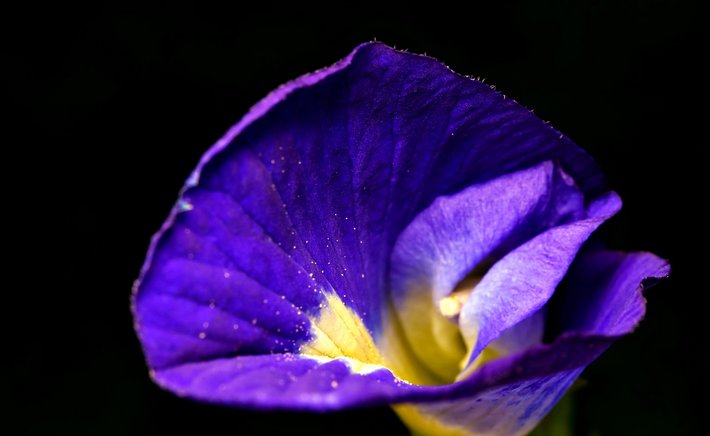
The first time I stirred butterfly pea flower tea into a bowl of muffin batter, I half expected nothing to happen. Instead, the pale batter blushed into a soft, unmistakable blue, as if someone had tipped a piece of sky into the mixing bowl. That moment is the reason Cornflower Cafe exists. If you have ever wanted to bake with color that comes from petals rather than a bottle, butterfly pea flowers are the gentlest place to begin.
Butterfly pea, also called clitoria ternatea, is a climbing vine with vivid blue blossoms that have been used for centuries in Southeast Asian cooking and tea. You can buy the dried flowers whole, or as a powder. Whole flowers are lovely for steeping and straining, while the powder dissolves more evenly into batters. Either works beautifully. A small jar lasts a long time, since a little goes a surprising distance.
How to Get a True Blue in the Oven
The trickiest part of blue baking is heat. The same pigments that make butterfly pea so striking are sensitive to high temperatures and long bake times, so delicate bakes like muffins, scones, and madeleines hold their color far better than a deep, slow-roasted loaf. Keep your oven at a moderate temperature, and pull your bakes out as soon as a skewer comes clean.
Acidity is the other variable worth understanding. Butterfly pea naturally leans blue in neutral batters, but add lemon juice, buttermilk, or vinegar and it shifts toward violet and lavender. This is not a problem, it is a palette. If you want a steady blue, use milk or plant milk as your liquid and skip the citrus zest. If you are curious about the purple side, a tablespoon of lemon juice will take you there, no food coloring required.
For a simple starting recipe, steep two tablespoons of dried flowers in a half cup of hot milk for ten minutes, strain, and use that milk in your favorite muffin recipe. The color deepens as the muffins cool, which is a small magic worth watching through the oven door.
Tips for Consistent Results
Weigh your flower powder rather than scooping it, since a heavy hand can turn a light blue bake gray-green. Fold the powder into your dry ingredients first so it distributes evenly, and avoid overmixing once the wet ingredients go in. If your batter looks a shade brighter than you want, remember that baked goods always come out a little paler than the raw batter.
Finally, frost with restraint. A plain cream cheese or mascarpone frosting lets the blue speak for itself, and a few edible cornflowers scattered on top echo the color without competing with it. Bake one batch, note what you did, and you will soon have your own blue formula memorized, the kind you can make on a gray morning without thinking.

Author

22 feb,2025
This incident opened my eyes to the value of Insurance in general, so I decided to examine my personal and business insurance.



Comment (3)
The payments are made directly from one person to another without passing through a central bank or clearing house.
22 feb,2025
ReplyWhy the Best Cafe Moments Happen at the Corner Table
23 feb,2025
ReplyA Blue Velvet Cupcake for Grey Days and Slow Weekends
23 feb,2025
Reply